Panels, CRM and ERP

Custom Software Development

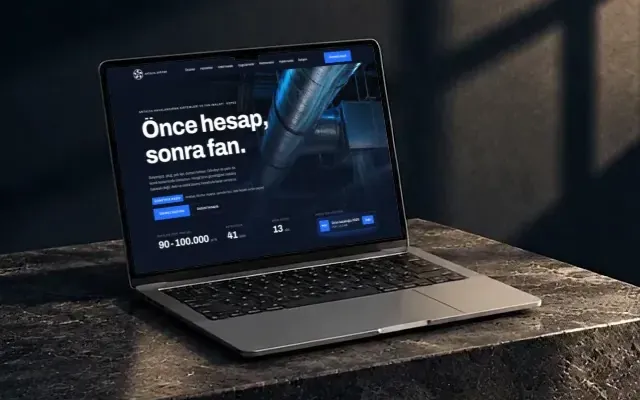
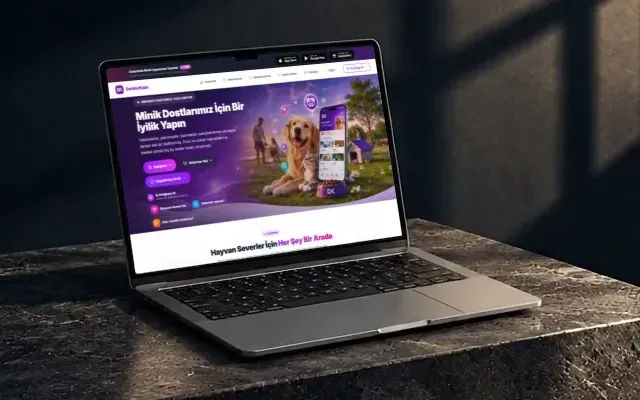
Off-the-shelf software carries a business up to a point. Once your own workflow no longer fits the template, you stop shaping the software around the work and start shaping the work around the software. That is where custom software earns its cost. We build panels that follow how you already operate — from orders and team assignment to customer tracking (CRM) and stock and cost planning (ERP). Temizlik Express runs on a live operations system we built this way: orders, team assignment, payment and an admin panel. DoldurKabı runs on a platform with its own panel and mobile app.

Custom Software Development

What is custom software, and what does it cost?

Custom software is a panel, CRM or ERP written from scratch around the way a business actually works. CRM is the system that holds customer and sales records; ERP is the one that brings stock, orders, production and accounting together in a single place. With an off-the-shelf product the process is bent to fit the software; with custom software the software is written to fit the process. The difference shows up like this: you pay for the parts of the package you never use, and the one screen you do need cannot be added at all. Among the systems Forpus has built are the operations system that runs orders, team assignment and payment for Temizlik Express, and the platform and admin panel behind DoldurKabı. Pricing falls into three bands. A panel that runs one job end to end — quote tracking, field team assignment, stock — costs ₺250,000 – 400,000 and is delivered in four to six weeks. A business system that brings orders, customers, payments and reporting into one place costs ₺450,000 – 700,000 and takes two to four months. A platform that several parties use and that talks to outside systems starts from ₺800,000, with the timeline set by scope. The source code is handed over: if you decide to carry the system on with another team, you have everything you need. Scope is written down before work begins, and what the first version will not include is set out in the same document. All prices exclude VAT.

Your business grew, your systems didn't

Every business starts the same way: a few spreadsheets, a WhatsApp group and a handful of people who know how the work runs. That setup holds up to a certain size. Then volume rises, the team grows, and no single place holds the whole picture any more; to find out where a job stands, someone has to make a call. When a critical detail lives only in one person's head, the work goes on leave with them.

The usual next step is off-the-shelf software. Off-the-shelf tools are written for an average company, and the things that make your work yours — how you price, the order your approvals follow, that extra step out in the field — tend to fall outside that average. After a while the team leaves half the fields empty and keeps the real tracking in a file off to the side. The more the work is bent to fit the software, the less either one does its job.

The third stage is a separate tool for every new need: one for quotes, one for field tracking, another for accounting. None of them can see the others, so the same record is typed in three places and ends up different in all three. At month end, whoever wants to know what was sold and which jobs made money merges the numbers by hand. The real cost is not the subscriptions added up. It is the hours that merge takes and the mistakes made inside it.

What does custom software give you?

Built around your workflow

The system follows how you work. You are not forced to bend your process into the shape an off-the-shelf tool accepts.

Everything in one place

Orders, customers, teams and payments sit in the same panel. Carrying data between spreadsheets and WhatsApp groups stops.

The source code is yours

The system is your property. If you carry on with another team tomorrow, everything they need is already in your hands — the code, the database and the documentation.

What we build

  • Admin panel and reporting screens
  • Customer and sales tracking (CRM)
  • Orders, work orders and team assignment
  • Stock, purchasing and cost tracking (ERP)
  • Role-based users and permissions
  • Payment, e-invoice and accounting integrations
  • Integration with your existing systems (API, data transfer)
  • Mobile app for field teams

Custom software development pricing

Ask what custom software costs and the usual answer is "it depends on the project". That is true, and it helps you decide nothing. The three bands below are starting figures for 2026, written so you can place your own job on the scale before we ever speak.

Single-purpose panel

₺250,000 – 400,000~4–6 weeks

One job handled end to end in a single panel: quote tracking, appointments and work orders, stock movements, or a customer register. It comes with user roles, permission levels, listing, search and basic reports. The right size when a process still runs on Excel files and the file has stopped keeping up.

Business system

₺450,000 – 700,000~2–4 months

Several connected processes brought into one system: customers and sales, operations, invoicing, staff and management reports. Data is entered once, each role sees its own screens, and the manager reads the current state from one place. For companies where departments work from separate files and the same information gets typed in a second time somewhere else.

Platform and integrations

From ₺800,000Project-specific

Systems that open outward: a platform your customers or dealers log into with their own accounts, a mobile app and an admin panel sharing the same data, and data exchange with accounting, e-invoicing, shipping or banking. Work at this level does not finish at a single handover; it keeps being developed after it goes live. For companies where the software is the business, not an aid to it.

These are starting bands. The figure moves with scope, with the number of roles and screens, and with the outside systems you connect to. At the end of the call you get a fixed-price quote broken down line by line — as long as the agreed scope does not change, nothing is added to the bill later; if the scope changes we put the new price in writing first. All prices exclude VAT.

Temizlik Express web sitesi
Temizlik Express

Temizlik Express: orders, teams and payment in one system

Temizlik Express takes the customer's order, assigns and dispatches the team, collects payment and tracks the whole job from an admin panel — all inside the same system. The flow could not be built on an off-the-shelf product, so it was written from scratch.

See the project

How we work

What makes these projects hard is rarely the technical side; it is an incomplete picture of how the work actually runs today. So we ask for regular but short involvement from you throughout, and at the end of every stage there is something you can try yourself.

  1. 1

    Discovery and written scope

    We go through how the work runs now: where each piece of information gets entered, who holds which file, and at which step things jam. The most valuable decision made here is what stays out of the first version; scope growing along the way is the number one cause of delay in these projects. Output: a written scope, a screen list and a fixed price.

  2. 2

    Flows and screen design

    We design which role sees which screen and in what order data gets entered. You get a clickable draft, and the person who actually does the job tries the system before any code is written. This is the cheapest point at which to change something.

  3. 3

    Development and interim releases

    We build the system section by section and open a working version at regular intervals. You log in from your own browser with a test account and try the finished part against a copy of your own data. A flow we got wrong surfaces that week, not at handover.

  4. 4

    Data migration and training

    Customer, stock and historical records sitting in Excel files or an old program are moved into the new system; before the transfer we check together which field goes where. Then we run a short training session for your team on their own screens and leave the recording behind — anyone who joins later watches the same recording.

  5. 5

    Launch and maintenance

    For the first stretch the old method and the new system run side by side; nobody is left in between while the system settles. At launch the source code is handed over to you, and the server and backups are set up. After that, bug tracking, updates and new sections continue on terms written into the contract.

What should you check before commissioning custom software?

These points are worth knowing whether or not you work with us. At this budget the wrong decision is expensive, so ask every firm you get a quote from the same questions.

Would an off-the-shelf product solve this?

Sometimes it would, and then off-the-shelf is the right answer. Bookkeeping, e-invoicing, standard stock control and ordinary sales tracking are covered by mature packages you can subscribe to and start using today, at a cost well below the ₺250,000 entry tier on this page. Custom software earns its price when your process fits no package, when you are bridging two programs by hand in Excel, or when that process is the part of the business that sets you apart. Ask the firm quoting you which packaged product they looked at and why it fell short. If there is no answer, they never looked.

Whose name are the source code and the accounts in?

The contract should state that the source code is handed over to you. The server, database and domain accounts should be opened directly in your company's name; reaching a system that sits in another firm's account becomes difficult years later. On a panel that runs your daily work this weighs far more than it does on a website: when the system stops, the work stops.

Is the scope written down, and what is missing from the first version?

A good quote states what will not be built as plainly as what will. Scope grows quietly on panel and ERP work; every "and could it also do this" lands on either the budget or the calendar. Have the items left out of the first version listed at the start, and have anything deferred written down as belonging to a later release. Then you know what you are buying, and what arrives when.

How does your existing data get moved?

Your records sit in Excel, in an old program, or in a ledger. Moving them is a job of its own: is it included in the price, who cleans the data, which fields will not come across — settle all three up front. Ask for a trial migration before go-live and for a period of running the old system alongside the new one. Data goes missing in this handover more than anywhere else.

Who keeps the system running a year from now?

A panel used every day is a living thing: a new report gets asked for, a tax rate changes, a new role is added. Put maintenance terms, response times and the pricing of change requests in the contract. Then ask one more question: could another team take the code over? Answering yes means the setup and architecture documentation is handed over alongside the source code.

Where does the data sit, and who can see it?

Any system holding customer and employee records falls under KVKK, Turkey's data protection law. You are the data controller; the firm building the software sits on the processor side, and a written agreement between the two of you is something the law asks for. Ask where the server is, how often backups are taken, and whether restoring from a backup has ever been tested. Inside the panel, not every user should see everything either — ask for role-based permissions and a record of who looked at what from the start.

Frequently asked questions

What does custom software cost?

A panel that solves one job — order tracking, field team management, production records — starts in the ₺250,000 – 400,000 range. A business system, where several parts of the company work inside the same system, sits at ₺450,000 – 700,000. A multi-sided platform that talks to outside systems starts at ₺800,000. The ₺50,000 floor quoted elsewhere on this site is for website work; custom software is a step above it. All prices exclude VAT.

How soon can we start using it?

A single-purpose panel goes live in four to six weeks. A business system takes two to four months, but you do not wait for the end of that: the first working section reaches you early and you can start using it right away. What stretches a timeline is rarely technical difficulty — it is scope that changes halfway through. That is why what the first version will not include is put in writing at the start.

Why build custom software instead of buying an off-the-shelf program?

For most businesses an off-the-shelf program is the right choice; if your work runs the standard way, pay for that, and we will say so. Custom software earns its cost when you have to bend the way you work to fit the program, or when you are moving data by hand between three separate programs. At Temizlik Express, order intake, team assignment, payment and management came together in one system; no off-the-shelf product covered that flow. You also do not pay per user per month, so the cost does not climb as the team grows.

Do we own the source code?

Yes. The source code, the database and the technical documentation are handed over to you, and the servers and accounts are opened in your name. If you decide to continue with another team, nothing is missing on your side. This is written into the contract.

Can our existing data be moved over?

It can. Excel files, an export from the program you use today, or an old database — whichever you have is where it comes from. Before the move we decide together which fields come across and which stay behind; a good part of the records built up over the years is usually no longer in use. After the transfer we sample the records and check them, and the old system stays in reserve for a while.

Will it connect to our accounting and e-invoice system?

If the accounting program or e-invoice provider you use exposes a connection, it will; invoice and account data then moves between the two systems without being typed in twice. Some programs offer no such connection. In that case we set up a file-based transfer, or tell you at the start where the limit is. We ask which program you use in the first conversation, because it is not an answer we are willing to guess at.

Can it have a mobile app as well?

It can, and if you have a team in the field it usually needs one: seeing the work order on a phone, adding a photo and closing the job do not work from a desktop. At DoldurKabı the platform, the admin panel and the mobile app run on the same system. Mobile can go into the first version or come later; the decision follows from who works where.

Can our team learn to use it?

We try to meet the person who will actually use the system while it is still being designed; the screens are built around how that person does the job today. At handover we run training and leave a short recording of the tasks used most often. There will be points where you get stuck in the first weeks. Those are usually solved with small corrections on the screen and are a normal part of going live.

What happens if you stop working with us?

Being dependent on whoever built your software is a real risk, and it is fair to ask about it. The source code, the database and the technical documentation stay with you; the servers and accounts are opened in your name, so the system keeps running without us. Another team can read the code and carry it on — that is why documentation counts as part of the handover, not an extra. At the point of separation we hold a handover meeting and hand over everything we have.

Custom Software · BUILT FOR YOU

Tell us what you need in 30 seconds

No writing required — just pick. Your choices become the brief below, and that is exactly what reaches us.

What do you need?
Do you have a website now?
When do you want to start?

The brief we will receive

Make a selection above and the brief builds itself here.